| | The Color Crimson | 
| - Interesting Facts and information about the Meaning of Color Crimson
- Who was allowed to wear the color Crimson?
- The Symbolic meaning
- The Biblical meaning of the color Crimson
- How the color was produced
|
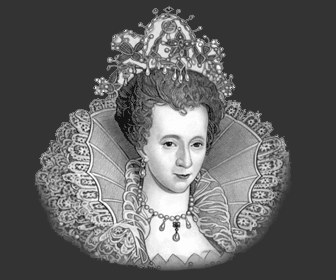
Picture of Queen Elizabeth I | The Color Crimson |
The Meaning of the color Crimson
The color and material used in Elizabethan Clothing was extremely important. People who could wear the color Crimson was dictated by English Law. These were called the Sumptuary Laws. The colors of Elizabethan clothes, including the color Crimson, provided information about the status of the man or woman wearing them. This was not just dictated by the wealth of the person, it also reflected their social standing. The meaning of colors during the Elizabethan era represented many aspects of their life - the social, religious, biblical and Christian symbolism was reflected in the color Crimson! |
| | The Symbolic and Religious Meaning of the color Crimson
Some interesting facts and information about the symbolic, religious, Christian and Biblical meaning of the color Crimson - Crimson is the color of the Church. Cardinal Wolsey was often depicted wearing bright crimson robes.
- The symbolic meaning of the color crimson was of fire and associated with power and importance - a color which stood out.
|
- Crimson also has a Biblical meaning symbolizing the presence of God and the blood of martyrs. It is the Christian liturgical color for Pentecost and represents atonement and humility
- Expensive kermes and later cochineal dye was used to produce the color crimson
- Crimson dye held colors fast and the brilliant color was worn by the wealthy and not to be confused with the color red which was produced by using cheaper madder dye
- The words crimson in English and carmoisine in French, are derived from the word kermes
- People who were allowed to wear the color crimson during the Elizabethan era, as decreed by the English Sumptuary Laws, were Royalty, Nobility and members of the Council
The Dye used to produce the color Crimson
Some interesting facts and information about the dyes used to produce the color. The Cochineal dye was discovered by the Spanish explorers of South America from the Aztec Indians. The source was a tiny insect ( Dactylopius coccus ) that lived on the flattened stems of prickly pear cactus. Cochineal dye was produced by a process of crushing, boiling then drying. Spain possessed the lucrative monopoly of the expensive cochineal dye. Not surprisingly the cochineal dye was initially declined by many Europeans in preference for the older kermes dye although it had about one-tenth the coloring power of cochineal. The Kermes dye was obtained from the dried bodies of the female insects ( Kermes vermilio Planchon and Kermes ilicis ) which were found in southern Europe on the small evergreen kermes oak ( Quercus coccifera )The history of the Kermes dye dates back to the ancient Egyptians and Romans. Kermes dye was produced by a process of drying the bodies of the insects and then fermentation. |
More details, facts and information about other colors may be accessed via the Elizabethan Clothing link at the top of the page.The Color Crimson- Interesting Facts and information about the Meaning of Color Crimson
- Who was allowed to wear the color Crimson?
- The Symbolic meaning
- The Biblical meaning
- How the color Crimson was produced
- The effect of the English Sumptuary Laws
| | |
| | Elizabethan Era - Free Educational Resource. Author Referencing Information The contents of www.elizabethan-era.org.uk are subject to Copyright Laws - the name of the Website Author is Linda Alchin. The referencing protocol is suggested as follows:Alchin, L.K.
Elizabethan Era
e.g. Retrieved May 16 2012 from www.elizabethan-era.org.ukThe content of Elizabethan Era is free but solely for educational purposes. Reproduction is not to be "used for any purpose other than private study, scholarship, or research.". We would respectfully direct our visitors to our Elizabethan Era Copyright page and Elizabethan Era Privacy Statement regarding the Terms of Use of this history site, both may be accessed from the links provided at the bottom of this page. |
Queen Elizabeth's Coat of Arms | The Color Crimson |
|